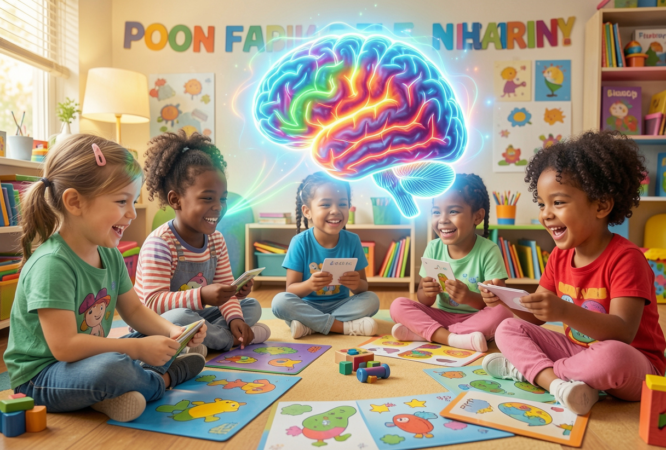

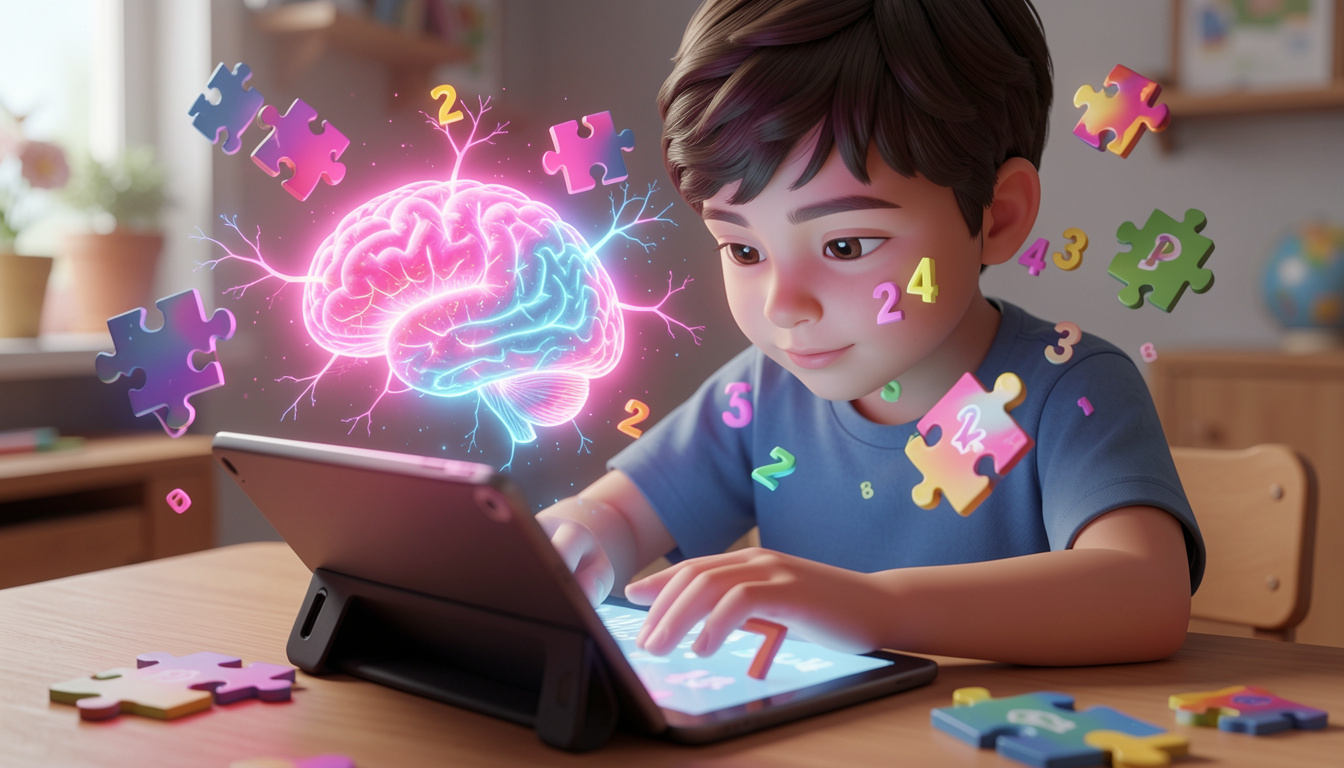
Children are naturally curious. From stacking blocks to solving puzzles, they learn by exploring, experimenting, and playing. But did you know that this playful behavior is deeply connected to how the brain develops?
Recent advances in neuroscience show that learning through games is more than just fun—it activates key areas of a child's brain, strengthens memory, boosts motivation, and improves academic performance.
At IntelliaSG, we harness the science of learning to create engaging educational experiences that help children develop critical thinking, confidence, and a lifelong love for learning.
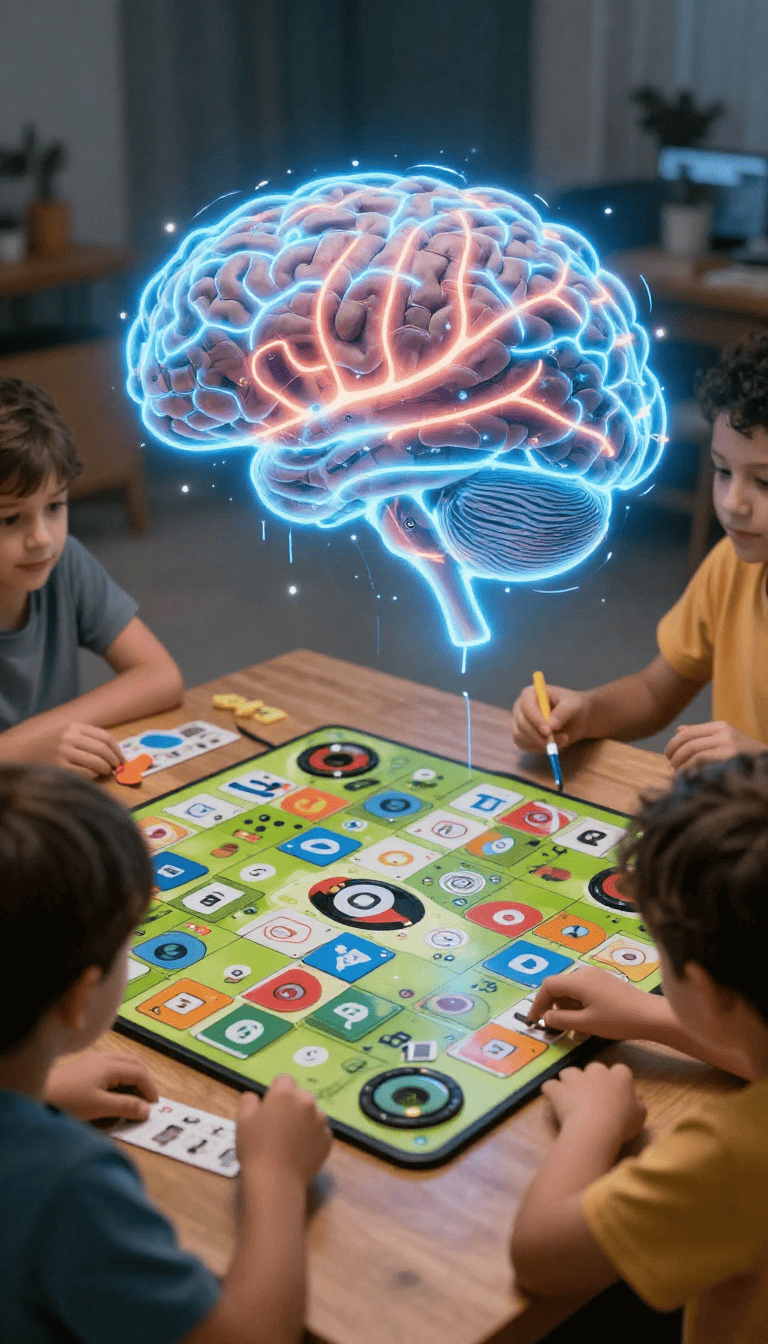
Play is one of the brain's most powerful learning tools. When children engage in educational games, multiple regions of the brain work together to process information, solve problems, and build new skills.
The Prefrontal Cortex: The Thinking Centre
The prefrontal cortex is responsible for:
Decision-making
Planning
Problem-solving
Attention
Self-control
When children solve puzzles or complete challenges in educational games, this part of the brain becomes highly active, helping them develop reasoning and critical-thinking skills.
The Hippocampus: Building Long-Term Memory
The hippocampus stores new information and connects it with existing knowledge. Interactive learning experiences make these memories stronger because children actively participate rather than passively receive information.
The Amygdala: Learning Through Emotion
Positive emotions make learning more memorable. Fun, excitement, and curiosity activate the amygdala, helping children remember concepts more effectively than traditional memorization alone.
One of the biggest reasons educational games are so effective is dopamine.
Dopamine is a neurotransmitter that plays an important role in motivation, attention, learning, and memory. Every time a child successfully completes a level, solves a challenge, earns a reward, or receives positive feedback, the brain releases a small amount of dopamine.
This release tells the brain:
"That worked! Remember this strategy and try it again."
Unlike distractions that provide short-lived entertainment, well-designed educational games use dopamine to reinforce meaningful learning. Children become motivated to continue exploring, practising, and improving their skills.
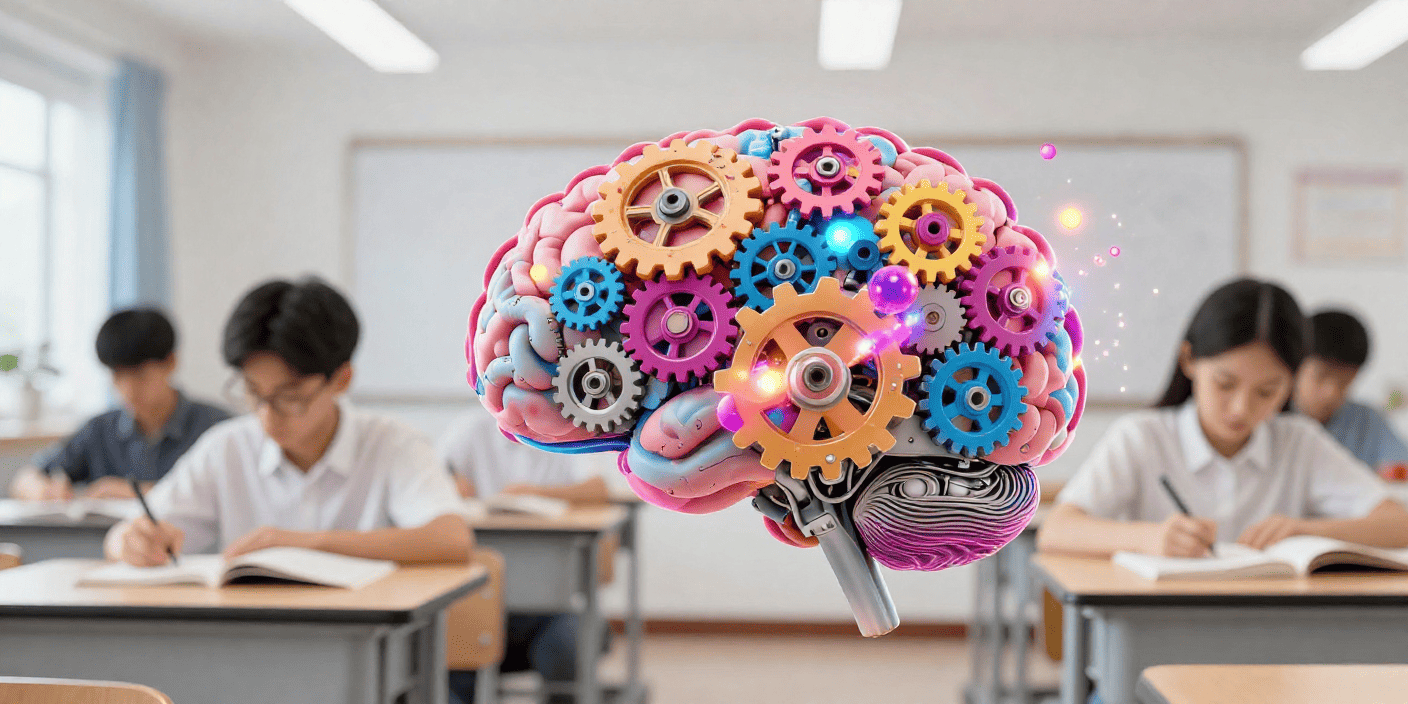
The human brain is incredibly adaptable. This ability, known as neuroplasticity, allows the brain to form and strengthen new neural connections through repeated learning experiences.
Educational games support neuroplasticity by encouraging children to:
Practice concepts repeatedly
Experiment with different strategies
Learn from mistakes
Receive immediate feedback
Apply knowledge in new situations
Every successful learning experience strengthens neural pathways, making future learning faster, easier, and more effective.
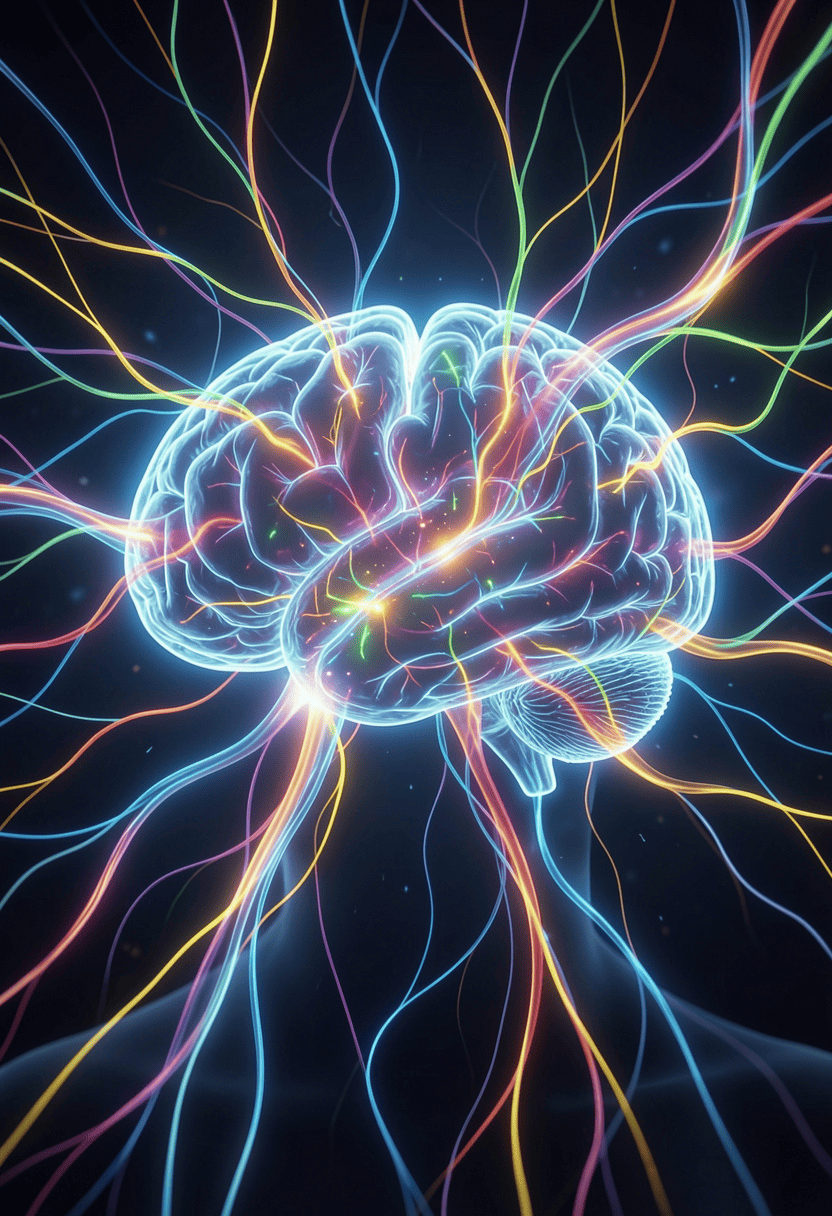
Children remember information better when they actively engage with it.
Educational games combine multiple learning elements, including:
Interactive challenges
Visual animations
Storytelling
Immediate feedback
Goal-based activities
Rewards and achievements
This multi-sensory approach activates different parts of the brain at the same time, leading to stronger memory formation and better knowledge retention.
Instead of memorizing facts for a short period, children develop a deeper understanding of concepts that stays with them.